
Paella Master Recipe
Ingredients
- 3 tablespoons olive oil
- 1/2 pound meat
like boneless chicken thighs, chorizo or pork, cut into 1-inch pieces, optional
- Salt and black pepper to taste
- 1 onion
chopped
- 1 bell pepper
chopped
- 2 cups short-grain rice
such as Bomba, Calasparra, Calrose or Arborio
- 1 pinch of saffron threads
optional
- 3 1/2 cups hot chicken
lobster or vegetable stock; water; wine; or a combination
- 1/2 pound seafood
like shrimp, mussels or squid
- 1/2 pound vegetables
like olives, tomatoes, snow peas or mushrooms
Directions
- 1
Put 3 tablespoons olive oil in a 12-inch skillet over medium-high heat. When hot, add about 1/2 pound of meat, sprinkle with salt and pepper and cook until nicely browned. Add the onion and bell pepper and cook until soft. (If you want a meatless paella, skip right to the onion.)
- 2
Add 2 cups rice and a pinch of saffron, if using, and cook, stirring, until shiny with olive oil. Add 3 1/2 cups hot stock and stir until just combined, then stir in seafood or lay it on top of the rice. (Skip the seafood if you want vegetarian paella.)
- 3
Cook over medium-high heat, undisturbed. If the pan is too big for your burner, move it around a little; but otherwise, leave it alone. About halfway through the cooking (about 10 minutes), add any vegetables, taste and season with salt and pepper, and stir gently, just once. When the mixture starts to dry out, begin tasting the rice. If the rice seems quite tough, add another 1/2 cup or so of liquid. And if you can smell the bottom starting to burn, lower the heat a bit.
- 4
The rice is done when tender and still a bit moist; if the mixture has stuck to the bottom of the pan, congratulations: you have socarrat, a characteristic of good paella. Serve the paella in the pan, in the middle of the table, and dinner guests — up to six — should fight over it.
Paella Master Recipe
Similar Recipes
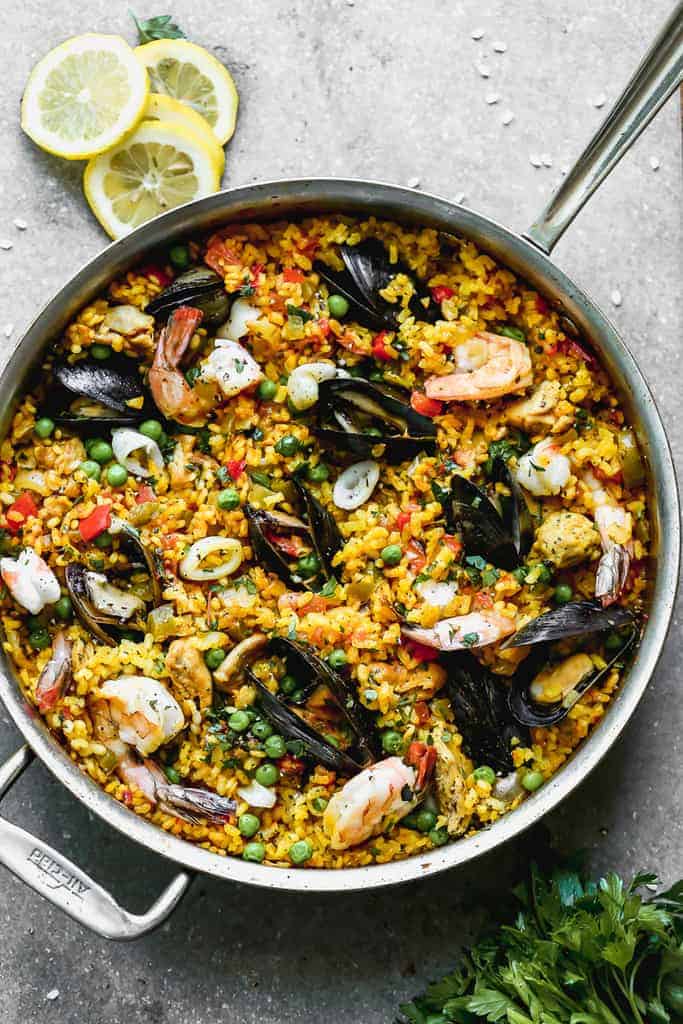
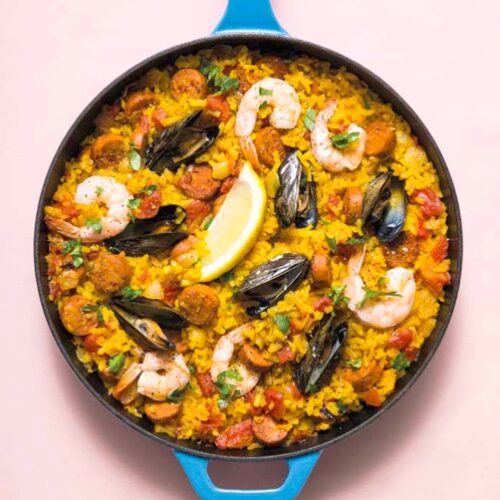
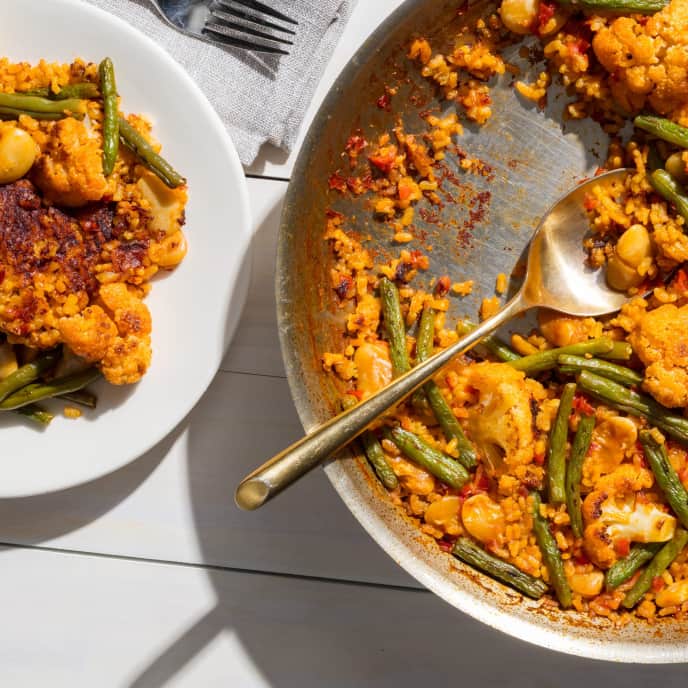
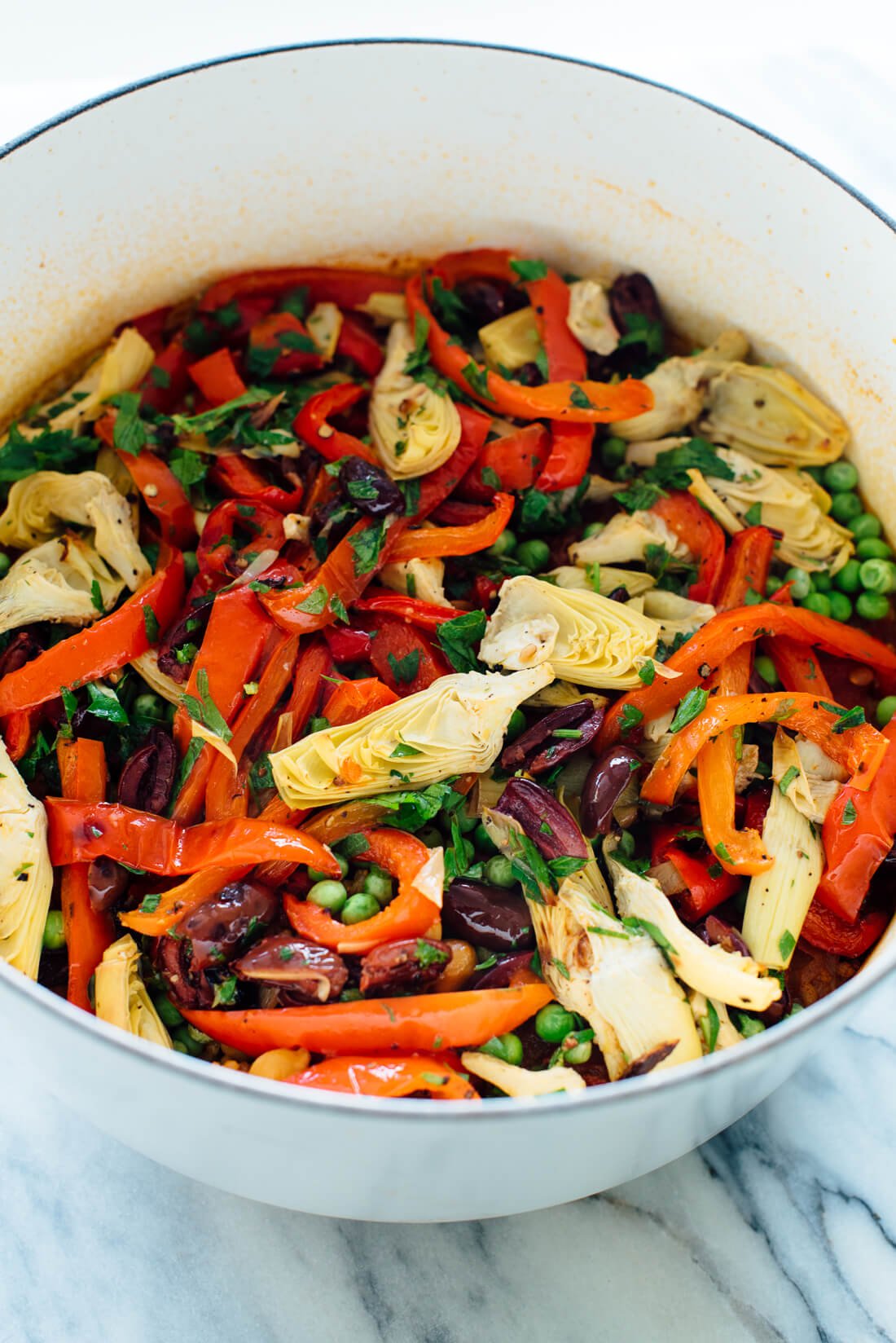


Ratings & Reviews
Be the First to Rate
Your rating helps others discover amazing recipes. Share your experience and let others know what you think!
About this Recipe
Dreaming of the perfect paella with that coveted crispy bottom? This adaptable Paella Master Recipe allows you to achieve authentic flavors and textures right in your home kitchen.
Unlike traditional risotto, this paella technique emphasizes minimal to no stirring, allowing the rice to develop that deeply desired socarrat—a wonderfully browned, crispy bottom layer that is the hallmark of a truly great paella. The key is maintaining relatively high heat, only turning it down when you begin to smell a slight scorching, which signals that delicious crust is forming.
You can expect a richly flavored rice dish, infused with whatever meats, seafood, and vegetables you choose to include. The texture will be a delightful contrast of tender grains on top and that crispy, caramelized socarrat at the bottom, offering a satisfying crunch with every bite. This recipe is designed to be approachable, focusing on the core technique to build a memorable meal.
This Paella Master Recipe is delightfully adaptable to your pantry and preferences. You can easily swap boneless chicken thighs for chorizo or pork to vary the meat component, or omit it entirely. For seafood, choose from shrimp, mussels, or squid. Incorporate a medley of olives, tomatoes, snow peas, or mushrooms for your vegetable selection. While optional, a pinch of saffron threads adds a beautiful golden hue and aromatic depth.
Serve this stunning paella as the vibrant centerpiece of a celebratory gathering or a comforting family meal. It's a dish meant for sharing, full of robust flavors and captivating textures.