Sourdough Shokupan (Japanese Milk Bread) | The Perfect Loaf
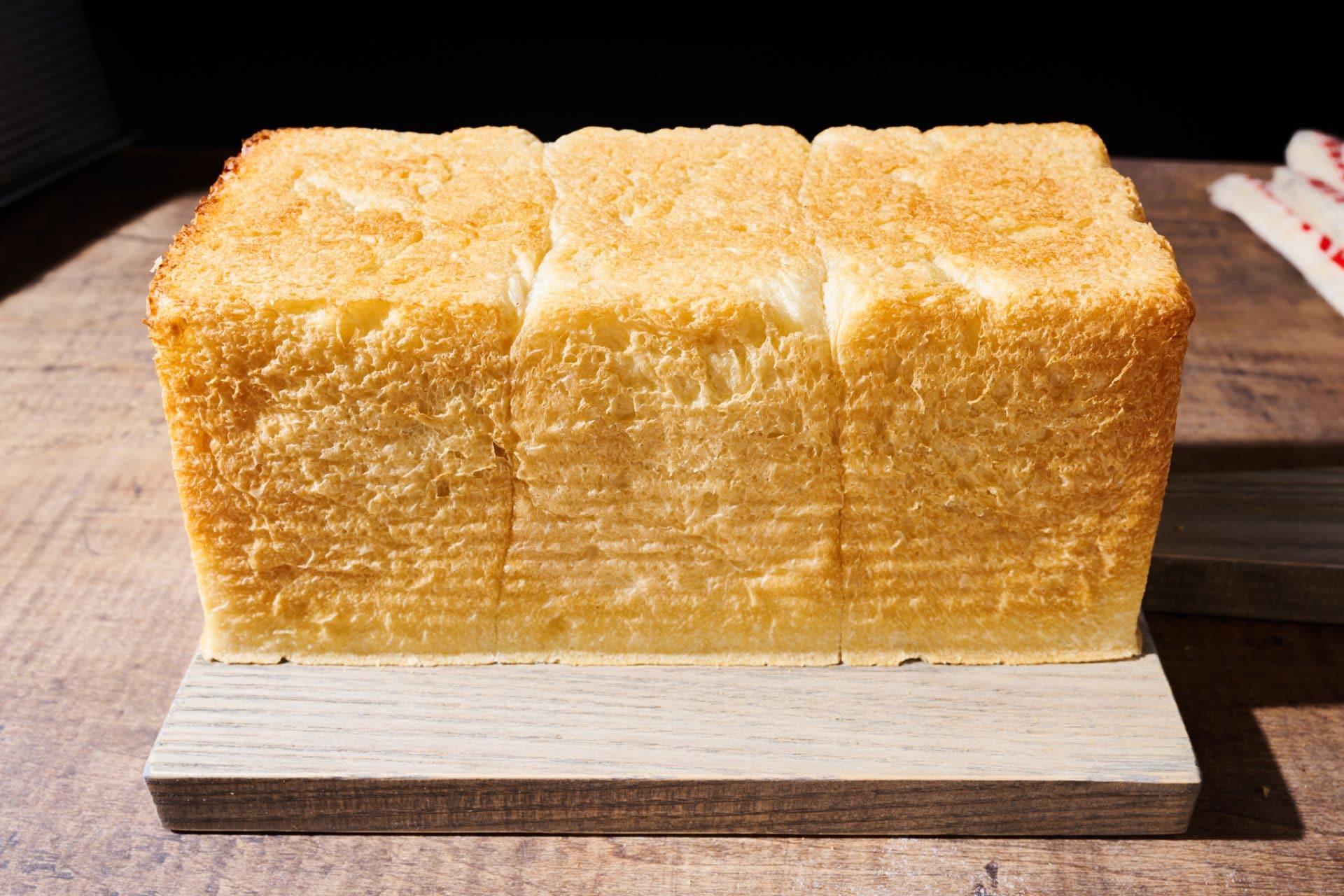
This sourdough shokupan (Japanese milk bread) is incredibly tender, flavorful, and makes for the absolute best toast.
Ingredients
- 34g high-protein white flour (King Arthur Baking Bread Flour)
- 7g superfine sugar
- 34g water
- 13g ripe sourdough starter, 100% hydration
- 31g high-protein white flour
- 122g whole milk
- 241g high-protein white flour
- 79g whole milk
- 50g egg (about one medium)
- 49g unsalted butter, at room temperature
- 15g superfine sugar
- 6g salt
- 87g ripe levain
- If not using the Pullman pan lid, one whole egg and splash of whole milk for egg wash
Directions
- 1
Levain (9:00 p.m.)In a medium jar mix together the Levain ingredients. Cover the jar and keep it at a warm temperature overnight.
- 2
Make the tangzhong (8:00 a.m. the next day)In a medium saucepan, add the flour and milk. Turn the heat to medium-low and cook, whisking continuously, until the mixture thickens and becomes like a paste, about 3-4 minutes. Let cool before mixing with other ingredients.
- 3
Mix (9:00 am) To the bowl of a stand mixer fitted with the paddle attachment, add the flour, milk, egg, sugar, salt, ripe levain, and tangzhong. Mix on low speed for 1 to 2 minutes until the ingredients come together and no dry bits remain. Next, switch to the dough hook attachment and mix on medium speed for 4 to 5 minutes until the dough smooths and begins to cling slightly to the hook. Let the dough rest in the bowl for 10 minutes. Turn the mixer on low speed and mix for 2 to 4 minutes until the dough gains more strength and begins to cling once again to the dough hook. Next, with the mixer running, add the room temperature butter, one pat at a time (dding all the butter will take 5 to 8 minutes). Transfer the dough to a bulk fermentation container and cover.
- 4
Bulk Fermentation (9:30 a.m. to 1:30 p.m.) This dough will need 2 sets of stretches and folds during bulk fermentation where the first set starts after 30 minutes into bulk fermentation and the subsequent set is 30-minutes later. For the second set, I like to do a few light slap and folds on the counter to finish strengthening the dough. After the second set of stretches and folds, let the dough rest, covered, for the remainder of bulk fermentation.
- 5
Divide and shape (1:30 p.m.)Grease a 9 x 4 x 4 Pullman pan with neutral oil. Using a bench scraper in your dominant hand and other hand wet, divide the dough into three pieces, each weighing 200 grams (you will have a tiny bit of scrap leftover). Then, shape each piece into a very taut round. As you shape each piece, place it into the Pullman pan, tucking it in tight so each subsequent piece fits. Cover the pan with a reusable plastic bag and seal.
- 6
Warm Proof (1:45 p.m. to 5:15 p.m.)Let the dough proof at warm temperature for about 3 1/2 hours until the dough rises just to the rim of the Pullman pan.
- 7
Bake (5:15 p.m.)Preheat your oven to 350°F (175°C). Slide the lid of the Pullman pan on and bake for 45 minutes. Then, take the pan out of the oven and carefully remove the lid. The crust should be a light golden brown and have an internal temperature of around 200°F (93°C). If the temperature is lower, slide the cover back on and return the pan to the oven to bake for 5 minutes longer, and check again. Once baked, remove the pan from the oven, uncover, and let the loaf rest in the pan for 10 minutes. Then, turn the loaf out to a wire rack to cool completely (I prefer to let the loaf cool overnight).