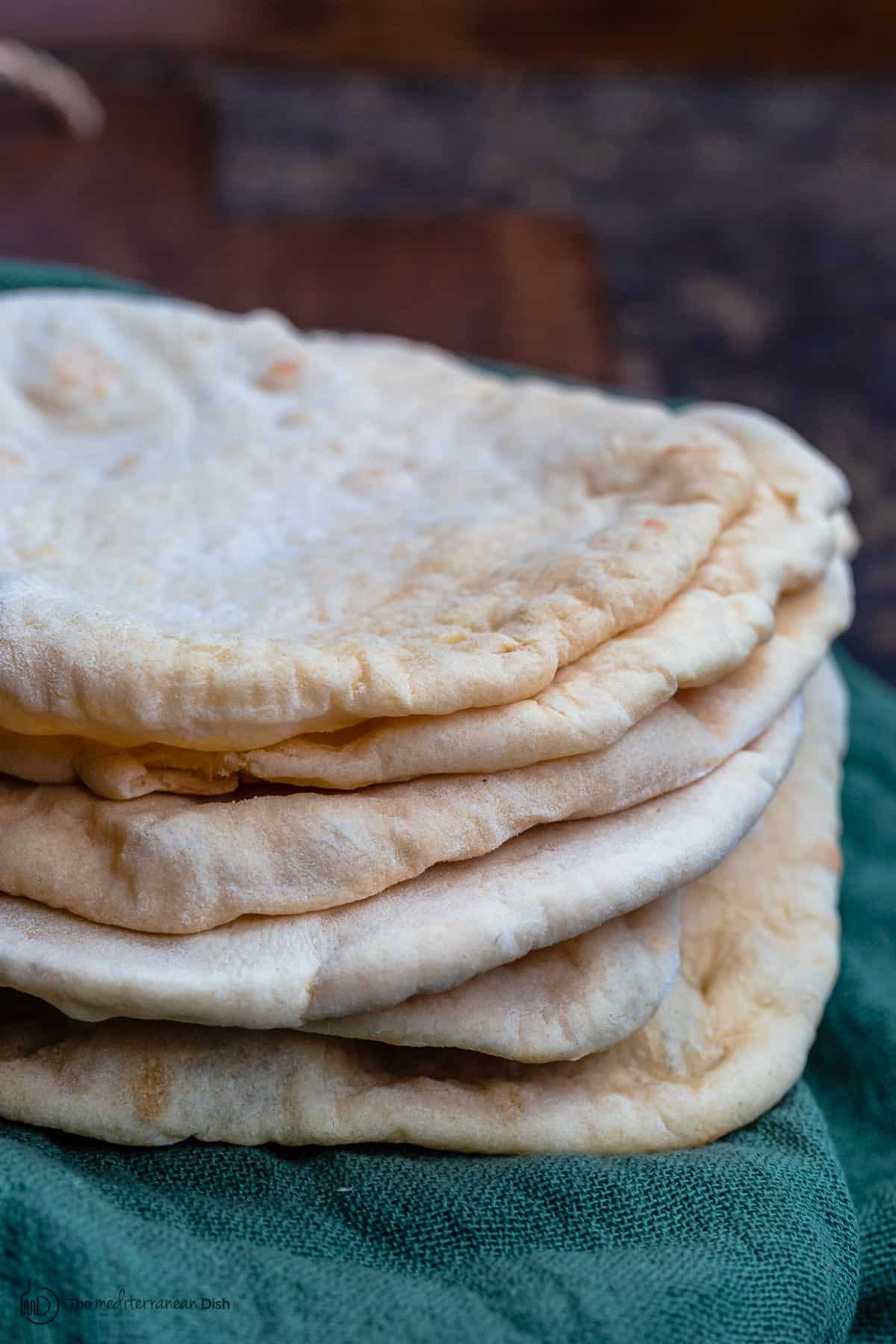
Homemade Pita Bread Recipe
Ingredients
- Water
- 2 tsp active dry yeast
- 1/2 tsp sugar
- 3 cups all-purpose flour
divided, or 1 1/2 cup all-purpose flour and 1 1/2 cup whole wheat flour
- 1 to 2 tsp kosher salt
I used Diamond Crystal kosher salt
- 2 tbsp extra virgin olive oil
more for the bowl, I used Private Reserve Greek extra virgin olive oil
Directions
- 1
In a large mixing bowl add 1 cup lukewarm water and stir in yeast and sugar until dissolved. Add 1/2 cup flour and whisk together. Place the mixing bowl in a warm place, uncovered to form a lose sponge. Give it 15 minutes or so, the mixture should bubble.
- 2
Now add salt, olive oil and almost all the remaining flour (keep about 1/2 cup of the flour for dusting later). Stir until mixture forms a shaggy mass (at this point, the dough has little to no gluten development and just looks like a sticky mess and you can easily pull bits off). Dust with a little flour, then knead the mixture inside the bowl for about a minute to incorporate any stray bits.
- 3
Dust a clean working surface with just a little bit of flour. Knead lightly for a couple minutes or so until smooth. Cover and let the dough rest for 10 minutes, then knead again for a couple more minutes. The dough should be a little bit moist, you can help it with a little dusting of flour, but be careful not to add too much flour.
- 4
Clean the mixing bowl and coat it lightly with extra virgin olive oil and put the dough back in the bowl. Turn the dough a couple times in the bowl to coat with the olive oil. Cover the mixing bowl tightly with plastic wrap then lay a kitchen towel over. Put the bowl in a warm place. Leave it alone for 1 hour or until the dough rises to double its size.
- 5
Deflate the dough and place it on a clean work surface. Divide the dough into 7 to 8 equal pieces and shape them into balls. Cover with a towel and leave them for 10 minutes or so to rest.
- 6
Using a floured rolling pin, roll one of the pieces into a circle that's 8-9 inches wide and about a quarter inch thick. It helps to lift and turn the dough frequently as you roll so that dough doesn't stick to your counter too much. (If dough starts to stick, sprinkle a tiny bit of flour). If the dough starts to spring back, set it aside to rest for a few minutes, then continue rolling. Repeat with the other pieces of dough. (Once you get going, you can be cooking one pita while rolling another, if you like). You have two options for baking the pita from here.
- 7
Heat the oven to 475 degrees F and place a heavy-duty baking pan or large cast iron skillet on the middle rack to heat. Working in batches, place the rolled-out pitas directly on the hot baking baking sheet (I was only able to fit 2 at a time). Bake for 2 minutes on one side, and then, using a pair of tongs, carefully turn pita over to bake for 1 minute on the other side. The pita will puff nicely and should be ready. Remove from the oven and cover the baked pitas with a clean towel while you work on the rest of the pitas.
- 8
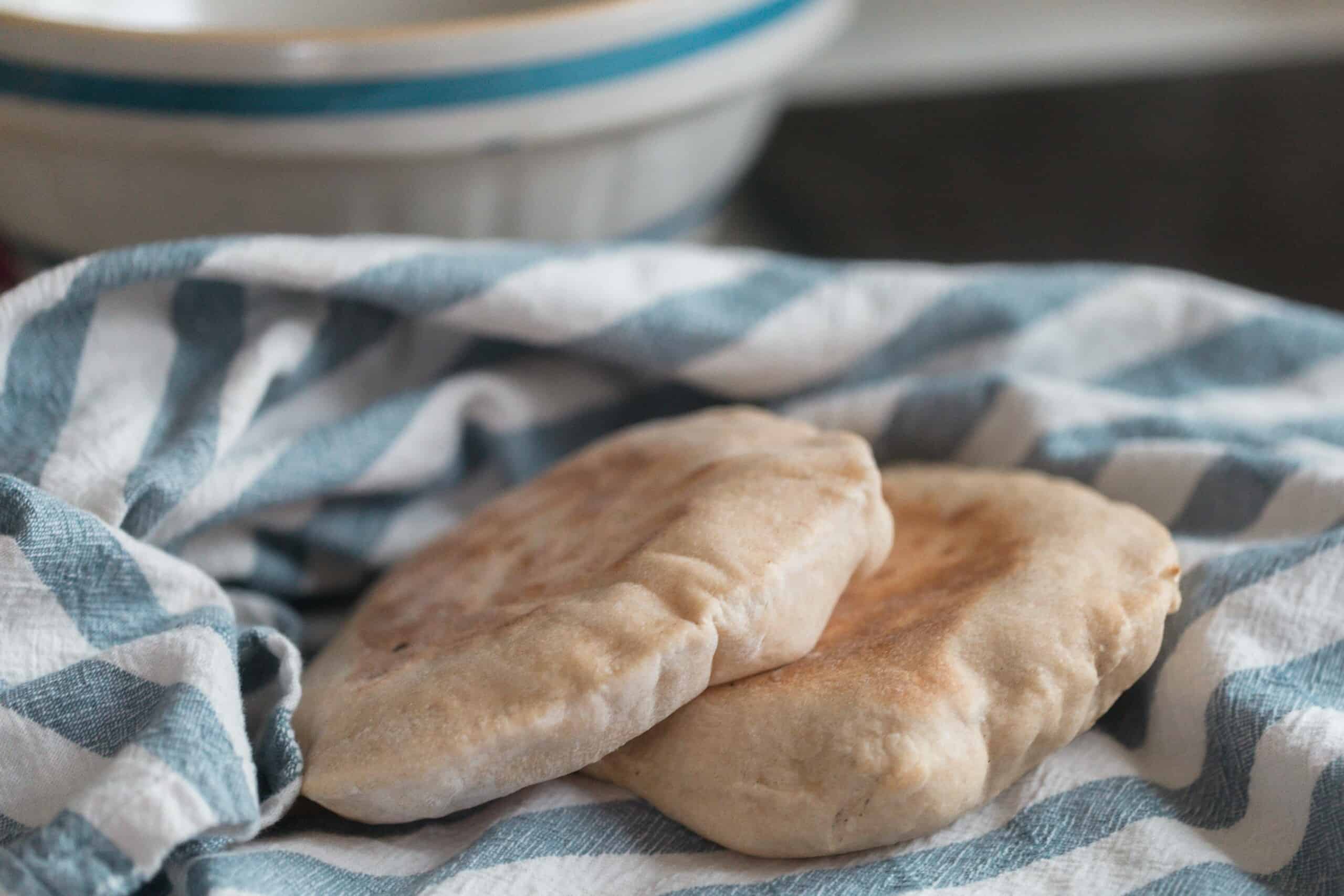
To cook pita on stovetop: Heat a cast iron skillet over medium-high heat. (Test by adding a couple drops of water to the skillet, the skillet is ready when the beads of water sizzle immediately). Drizzle a tiny bit of extra virgin olive oil and wipe off any excess. Working with one pita at a time, lay a rolled-out pita on the skillet and bake for 30 seconds, until bubbles start to form. Using a spatula, flip the pita over and cook for 1-2 minutes on the other side, until large toasted spots appear on the underside. Flip again and cook another 1-2 minutes to toast the other side. The pita is ready when it puffs up forming a pocket (sometimes, with this method, the pita may not puff or may only form a small pocket. Try pressing the surface of the pita gently with a clean towel). Keep baked pita covered with a clean towel while you work on the rest.
Homemade Pita Bread Recipe
Similar Recipes


Ratings & Reviews
Based on 234 ratings
Rating Breakdown
About this Recipe
Imagine the warmth of freshly baked bread filling your kitchen, then biting into a soft, airy pita with that signature pocket. This homemade pita bread recipe brings that dream to life, delivering an authentic, fool-proof experience right to your table. You'll love how easy it is to achieve perfectly puffy pita with just a few pantry staples.
Why This Pita Bread Works So Well
What makes this recipe truly special is its simplicity and reliability. It’s my family’s tried-and-true method, designed to ensure that magical puff every time. The dough comes together easily, allowing the yeast to do its work, resulting in a tender crumb and a delightful chew. Whether you prefer baking it in the oven or cooking it on the stovetop, this recipe includes instructions for both, making it incredibly versatile for any home cook.
What to Expect from Your Homemade Pita
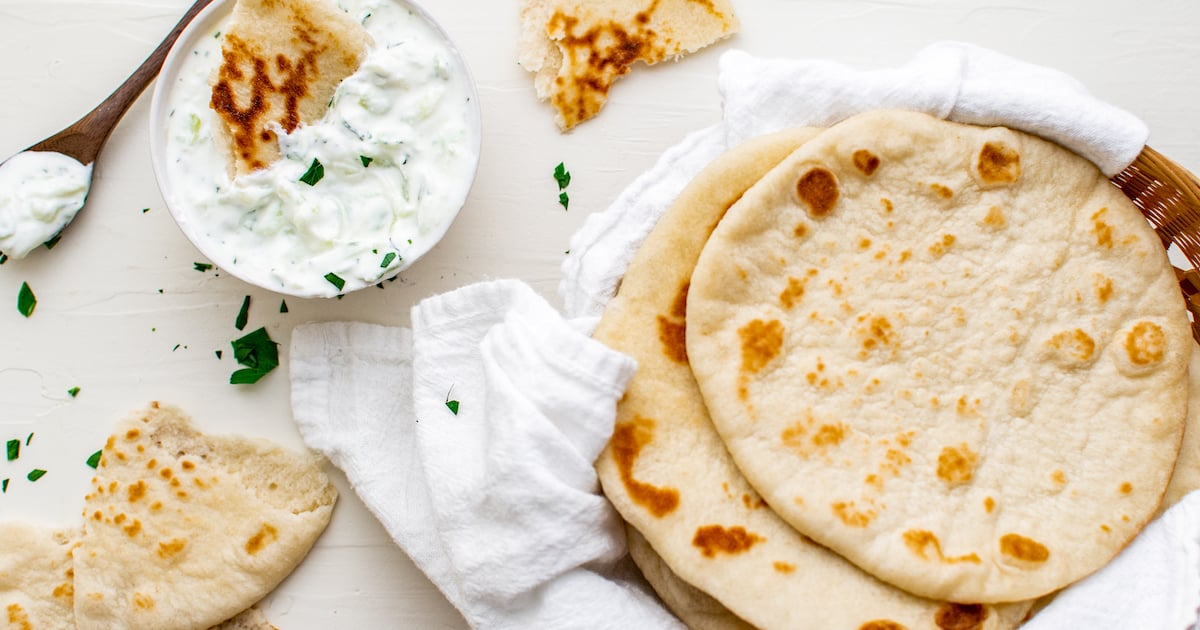
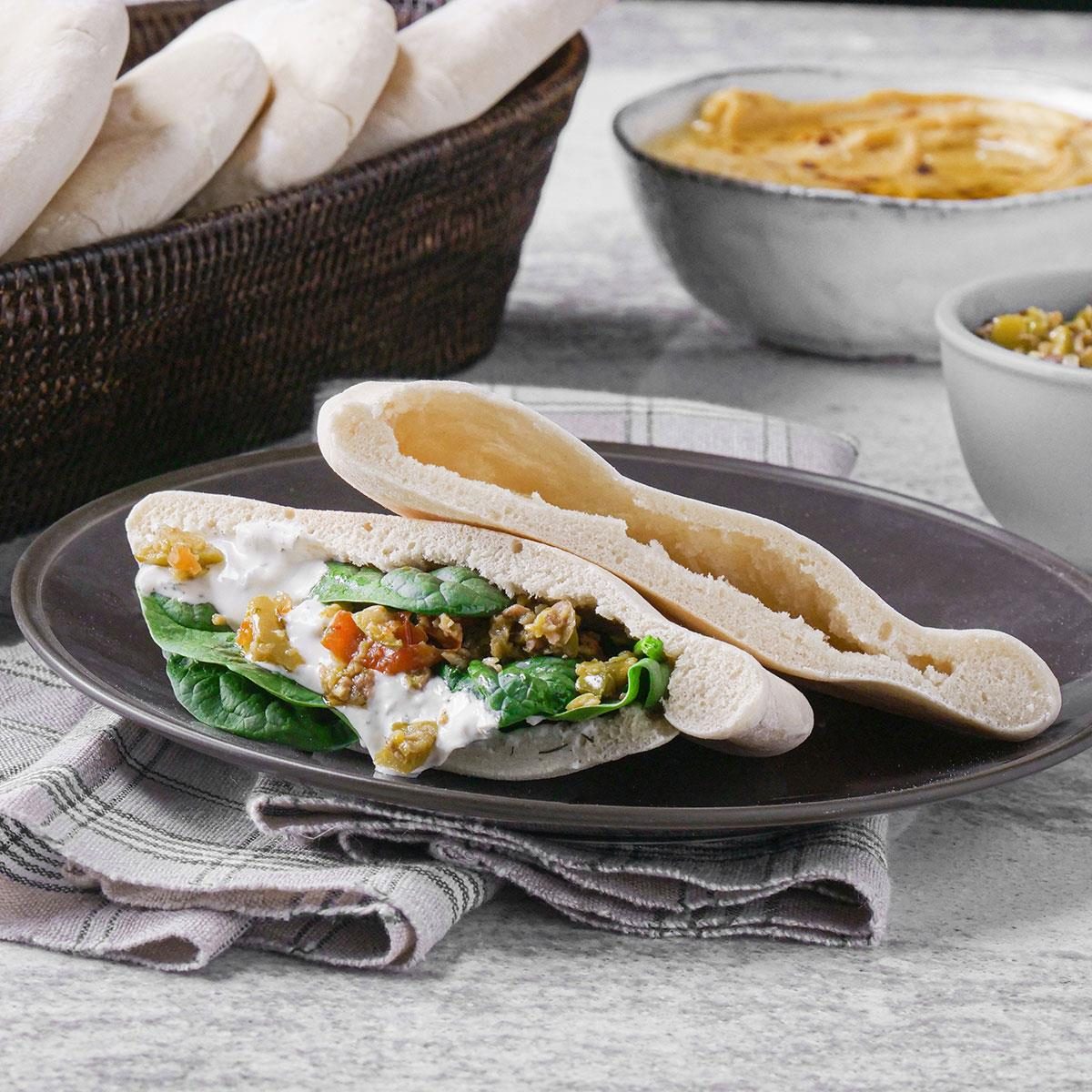
Prepare for a revelation in texture and flavor. Your homemade pita bread will be incredibly soft, pliable, and slightly chewy, with a subtle yeasty aroma that store-bought versions can only dream of. The real joy comes from seeing each disk balloon into a perfect pocket, ready to be filled with your favorite ingredients or torn for dipping. The subtle richness from the extra virgin olive oil complements the simple flour and salt base, creating a balanced and satisfying bite. This is a truly rewarding baking project that yields delicious results.
Customization & Variations
One of the best aspects of this recipe is its flexibility. While all-purpose flour works beautifully, you can easily create a heartier pita by using a blend of 1 1/2 cups all-purpose flour and 1 1/2 cups whole wheat flour. This will give your pita a nuttier flavor and denser texture. For a richer flavor profile, consider using a high-quality extra virgin olive oil. You can also experiment with a pinch of dried herbs like oregano or za'atar mixed into the dough for an aromatic twist.
Serving & Context
Serve your warm, homemade pita bread alongside creamy hummus, vibrant tzatziki, or a simple bowl of olive oil for dipping. It’s the perfect companion for falafel or shawarma, making any meal feel special. This fresh pita is ideal for casual weeknight dinners or impressive weekend gatherings, always a crowd-pleaser.