
How to boil eggs
Ingredients
- Large eggs
fridge cold, 55g/2oz each, Note 2
Directions
- 1
- 2
Water level 3cm/1" – Fill the saucepan with enough water so it will cover the eggs by 3cm / 1" or more.
- 3
Boil first then add eggs – Bring to a rapid boil over high heat. Using a slotted spoon, gently lower fridge-cold eggs into the water.
- 4
Lower heat – Reduce the heat slightly to medium high – water should still be bubbling but not so much the eggs are being bashed around so roughly they crack. (Note 3)
- 5
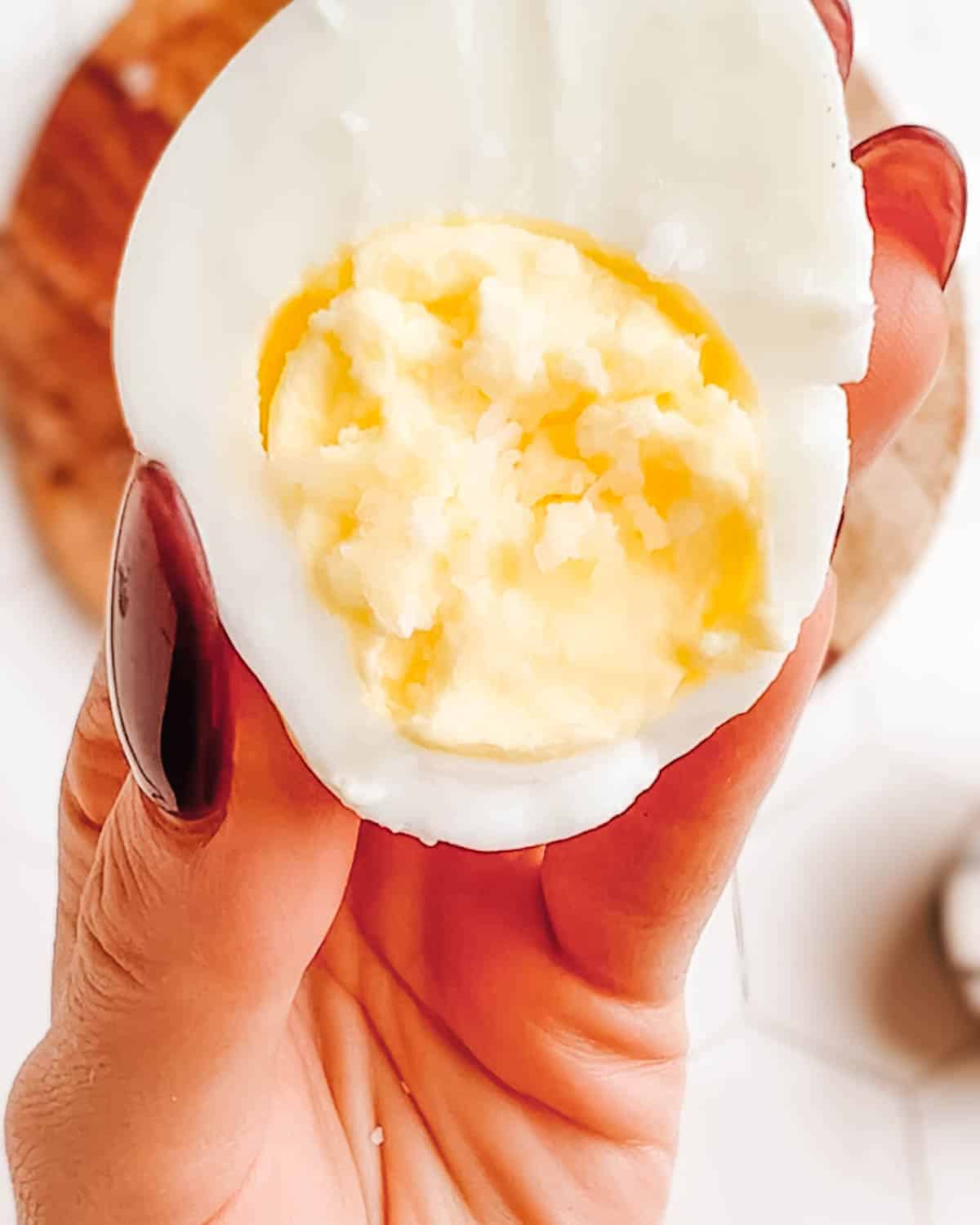
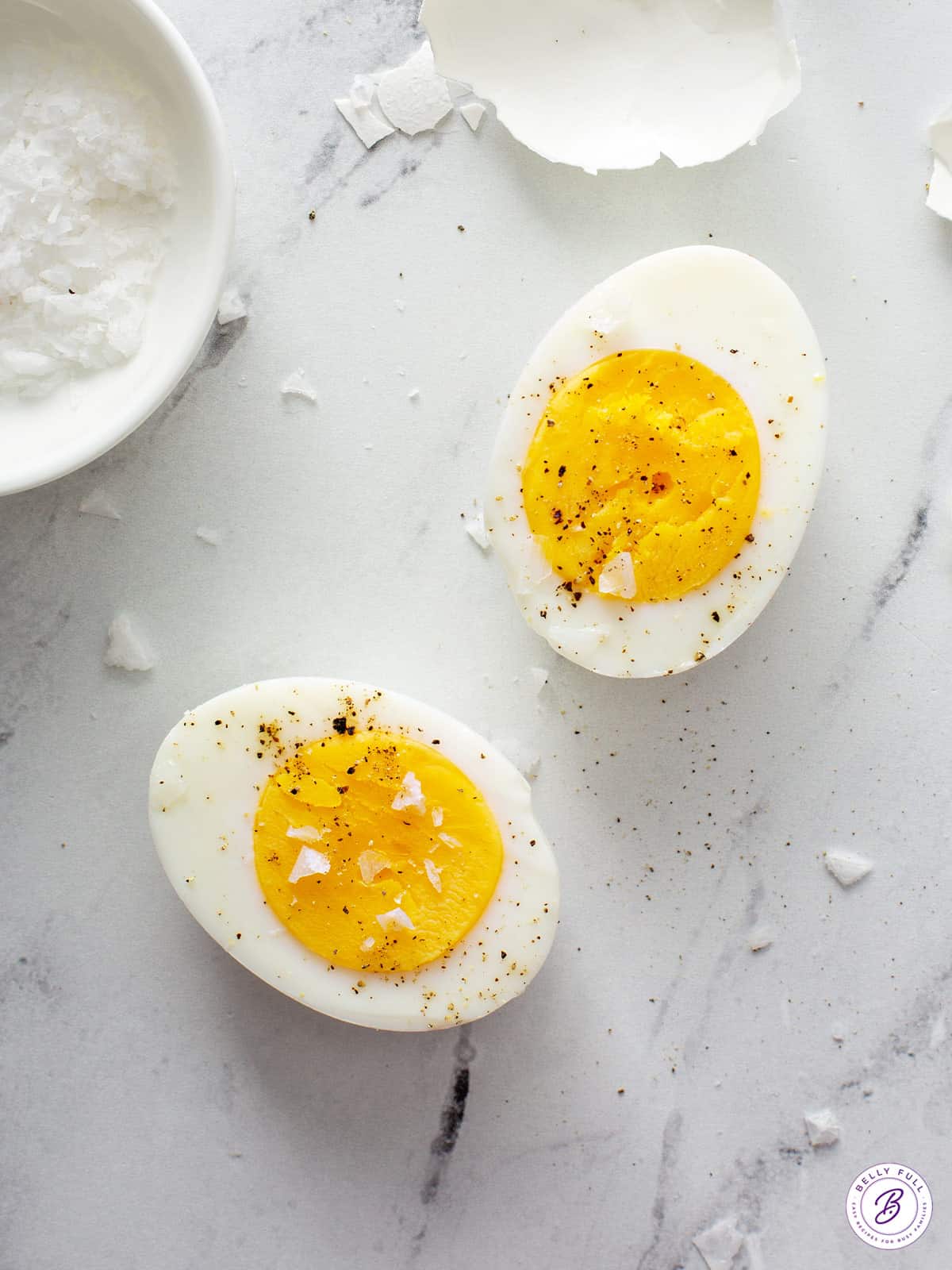
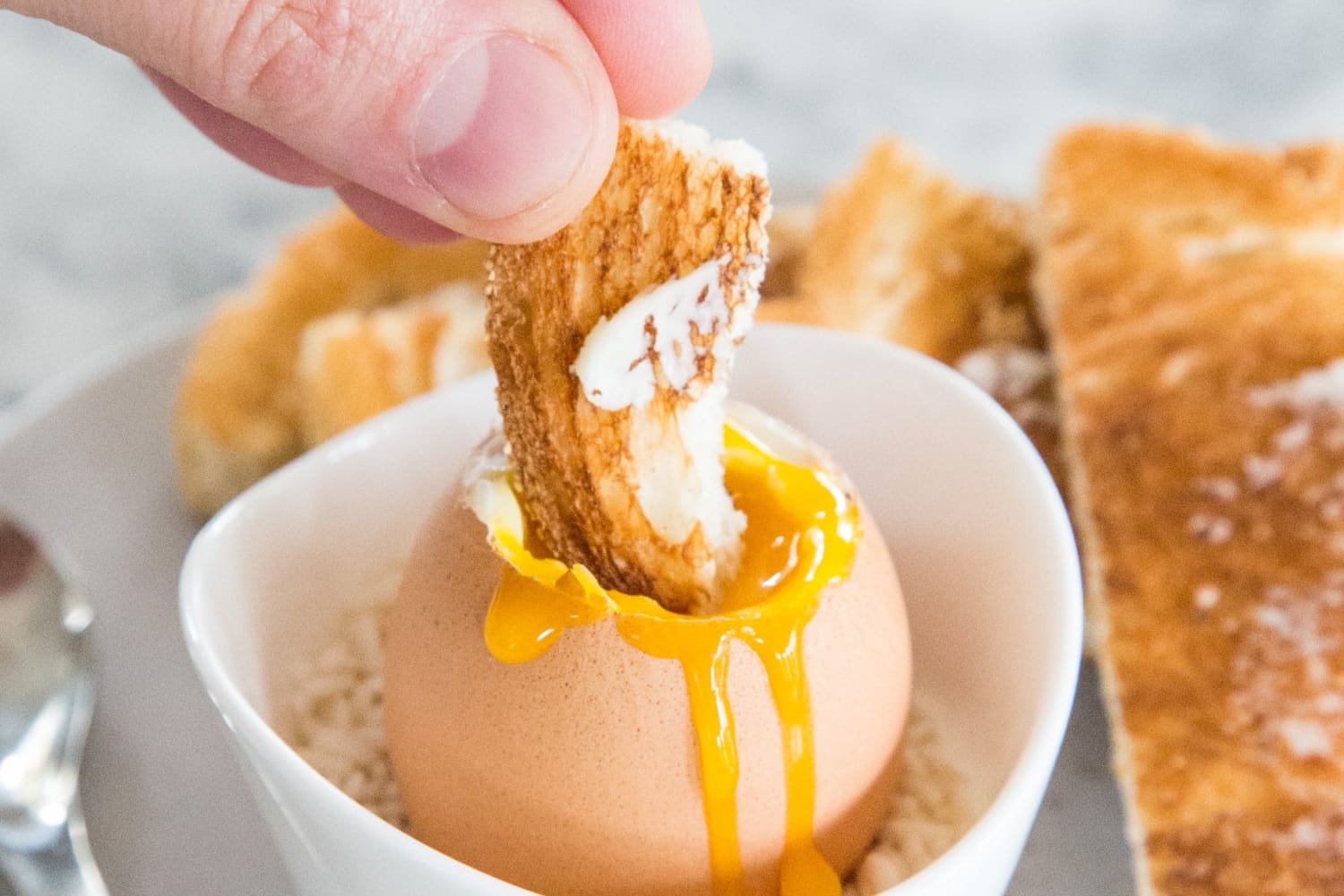
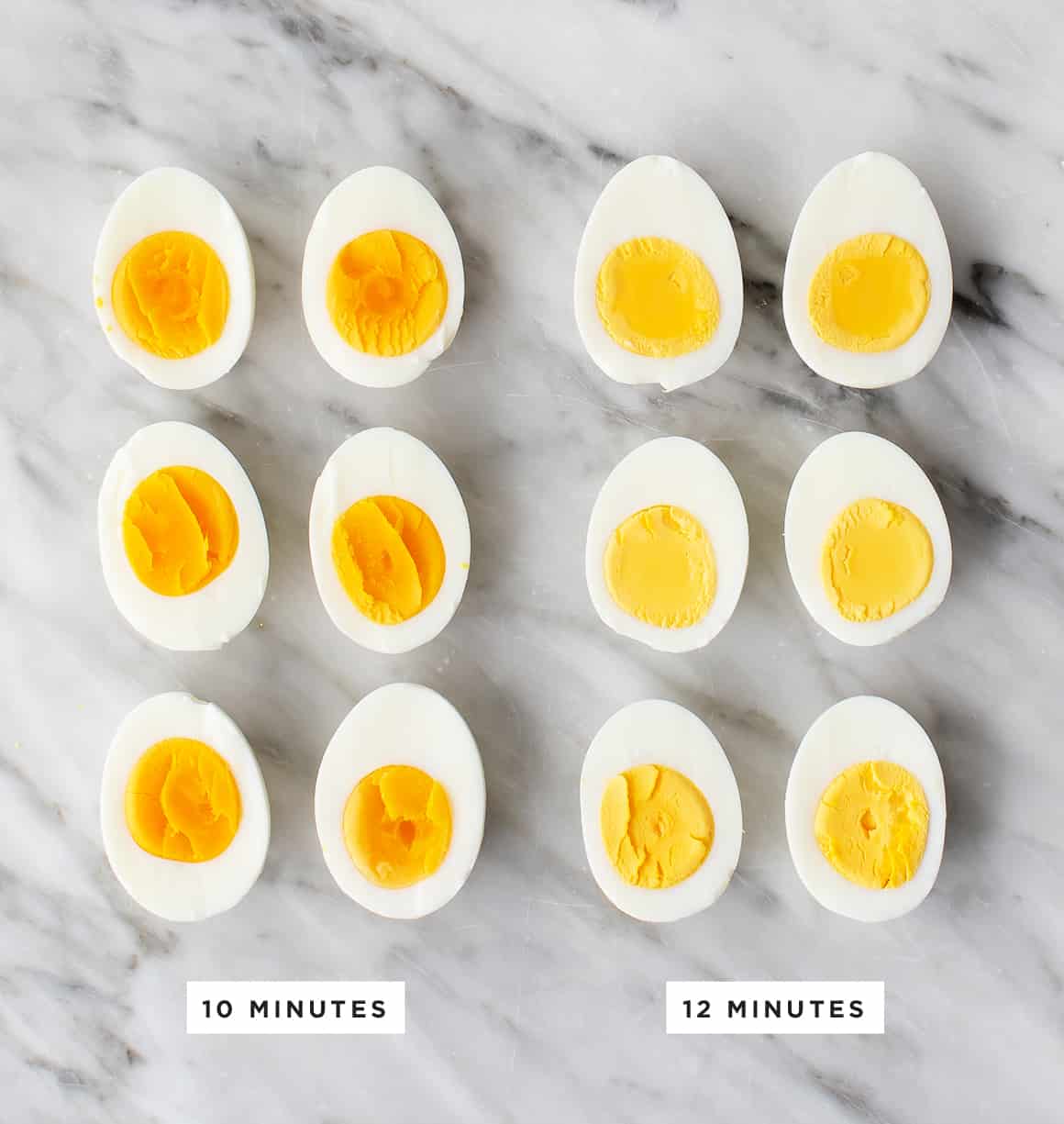
Start the timer once all the eggs are in. – Dippy solders: 3 minutes (can't peel)– Runny yolks: 6 minutes– Soft boiled: 8 minutes– Hard boiled: 10 minutes
- 6
Cool 10 minutes – Remove eggs using a slotted spoon into a large bowl or sink filled with plenty of cold tap water to cool the eggs. (Ice – Note 4) Cool 10 minutes.
- 7
Peel from base in water – Crack the base of the shell by tapping it on the counter, then peel under water from the base (it's easier).
- 8
Storing – Hard boiled eggs can be stored in the fridge for up to 7 days (peeled or unpeeled). Freezing not recommended (whites go weird).
How to boil eggs
Similar Recipes

/__opt__aboutcom__coeus__resources__content_migration__simply_recipes__uploads__2014__07__hard-boiled-eggs-horiz-800-429f7e9948b84a6d84237e228f9d54f2.jpg)

Ratings & Reviews
Be the First to Rate
Your rating helps others discover amazing recipes. Share your experience and let others know what you think!
About this Recipe
Tired of guessing games when boiling eggs? This method promises perfectly cooked eggs to your liking, every single time, with consistent results that make breakfast, salads, or snacks a breeze. Say goodbye to rubbery whites and green-rimmed yolks, and hello to reliable perfection.
Why This Method Works
The secret to consistently perfect boiled eggs lies in a couple of key techniques. By bringing your water to a full boil before gently adding the fridge-cold eggs, you ensure a precise start to the cooking process, eliminating the inconsistencies that come with starting from cold water. This approach also contributes to eggs that are notably easier to peel, saving you frustration and preserving the egg's pristine surface. Starting with fridge-cold eggs is crucial for achieving that coveted creamy yolk texture.
What to Expect
When you follow this method, you can expect eggs with beautifully set whites and yolks cooked precisely to your desired doneness—whether that's jammy and soft-boiled or firm and completely set. The shell will release effortlessly, revealing a smooth, unblemished egg. The texture of the yolk will be consistently creamy, a hallmark of well-boiled eggs, making them a delight to enjoy on their own or as part of a larger dish. You'll appreciate the simple elegance and reliability this technique brings to your kitchen.
Customization & Variations
While the core method ensures consistency, the beauty of boiling eggs is in customizing the yolk's texture. You can achieve anything from a runny, custardy yolk to a firm, sliceable one simply by adjusting the cooking duration after the eggs are added to the boiling water. This method works beautifully with large eggs as specified, but can be adapted for smaller or larger eggs by making slight adjustments to the cooking time based on your preference. For optimal results, always ensure the eggs are in a single layer with sufficient space in a saucepan large enough to accommodate them.
Serving & Context
Perfectly boiled eggs are incredibly versatile. They're ideal for a quick, protein-rich snack, sliced onto fresh salads, or transformed into classic deviled eggs. Serve them simply with a sprinkle of salt and pepper, or incorporate them into your favorite recipes for a satisfying addition.