
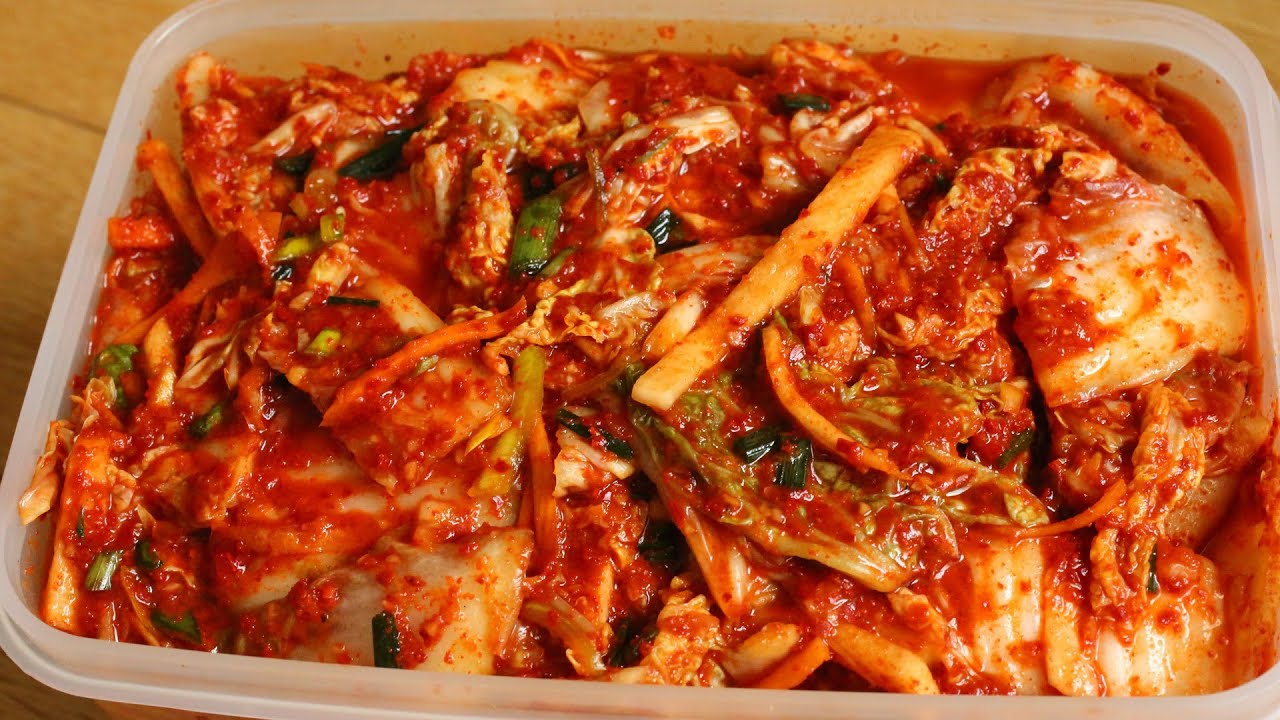
Kimchi (Napa Cabbage Kimchi)
Ingredients
- 8 pounds napa cabbage)
(usually each head is around 4 pounds
- Kosher salt)
(about 2 cups, or as needed, for salting
- 1½ cup water
- ⅓ cup rice flour
regular or glutinous
- 1 large apple *see notes for Korean pear)
cut into smaller pieces and discard core (fuji, honey crisp, gala
- 1 large onion
peeled and cut into smaller pieces
- 20 cloves garlic)
peeled (about 3oz/85g
- 2 inch knob of ginger
peeled and cut into smaller pieces
- ½ cup fish sauce
or ¾ cup saeujot per ½ cup fish sauce *see notes
- 2 cups gochugaru)
coarse
- 1 pound Korean radish
peeled and julienned
- 6 ounces carrot
peeled and julienned
- 4 ounces Asian chives)
cut into 1 inch pieces (discard about 1 to 2 inches the tough stem
Directions
- 1
Peel away and discard any undesirable outer layer leaves of the napa cabbage.
Make the kimchi marinade:
While the napa cabbages are salting, make the kimchi paste. First, make the rice flour paste by whisking together the rice flour and water until well combined. Transfer the mixture to a pan or saucepan and cook over medium to medium high heat, stirring occasionally. Once the paste starts to thicken, stir constantly until the a thick, slightly translucent paste forms. Transfer to a large mixing bowl and let cool.
In a blender, add the apple, onion, garlic cloves, ginger, and fish sauce. Blend everything together until the mixture is well blended. Add half of the gochugaru to the mix and blend until well combined and as smooth as possible.
Transfer the mixture to the bowl with the cooled rice flour paste, along with the rest of the gochugaru. With gloved hands, mix the paste until well combined. Then, add the Korean radish, carrot, and Asian chives and mix well. Set aside until needed - 2
While the napa cabbages are salting, make the kimchi paste. First, make the rice flour paste by whisking together the rice flour and water until well combined. Transfer the mixture to a pan or saucepan and cook over medium to medium high heat, stirring occasionally. Once the paste starts to thicken, stir constantly until the a thick, slightly translucent paste forms. Transfer to a large mixing bowl and let cool.
- 3
Once the napa cabbages are done salting, rinse the them with fresh water to remove excess salt. Make sure to get between each leaf. *We like to rinse our napa cabbage in a large bowl of water and repeating the process about 2 to 3 times with fresh water. We recommend tasting the cabbage after the final rinse to see if the cabbage require an additional round or two of rinsing.*
- 4
Working with gloved hands and one quarter of napa cabbage at one time, place the cabbage in the bowl of prepared kimchi marinade. Take some marinade and rub it on each leaf. Make sure to also leave some of the julienned veggies in between each layer too!
Kimchi (Napa Cabbage Kimchi)
Similar Recipes



Ratings & Reviews
Based on 11 ratings
Rating Breakdown
About this Recipe
Craving the vibrant, complex flavors of truly authentic kimchi? This traditional napa cabbage kimchi recipe delivers that signature spicy, tangy, and funky taste, bringing a beloved Korean banchan right to your kitchen. Get ready to embark on a rewarding culinary journey that results in a homemade staple far superior to anything store-bought.
Unlike quick fresh kimchi (geotjeori), this recipe embraces the traditional method of quartering napa cabbage, allowing for a deeper, more complex fermentation. While a bit more labor-intensive upfront, this approach results in a kimchi with superior flavor development and significantly longer storage potential. The meticulous salting process is key, ensuring the perfect texture and preventing mushiness.
Prepare for an explosion of flavors: a delightful interplay of heat from the gochugaru, bright tanginess, and a deeply satisfying umami funk. The fermentation process transforms simple napa cabbage into something truly special, offering a crisp yet yielding texture with every bite. You'll find a beautiful balance of savory, spicy, and subtly sweet notes from the fresh fruits and vegetables in the seasoning paste.
Making traditional napa cabbage kimchi is a labor of love, requiring a dedicated hand for the salting and seasoning process. While it's an involved culinary project, the reward is a truly authentic banchan that deepens in flavor over time, a testament to traditional Korean culinary practices and a pantry staple you'll be proud to have on hand.
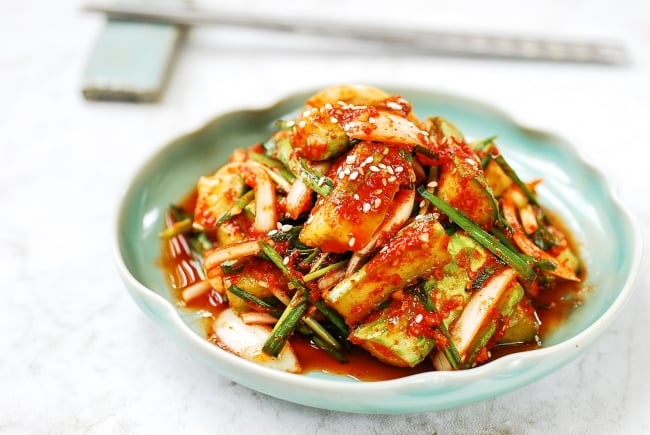
While this recipe is traditional, you can explore minor variations. A Korean pear can be substituted for the apple, or you can use saeujot (fermented shrimp paste) in place of fish sauce for a slightly different depth of umami. For a quicker alternative to napa cabbage, consider trying a cucumber kimchi recipe for a different texture and flavor profile.
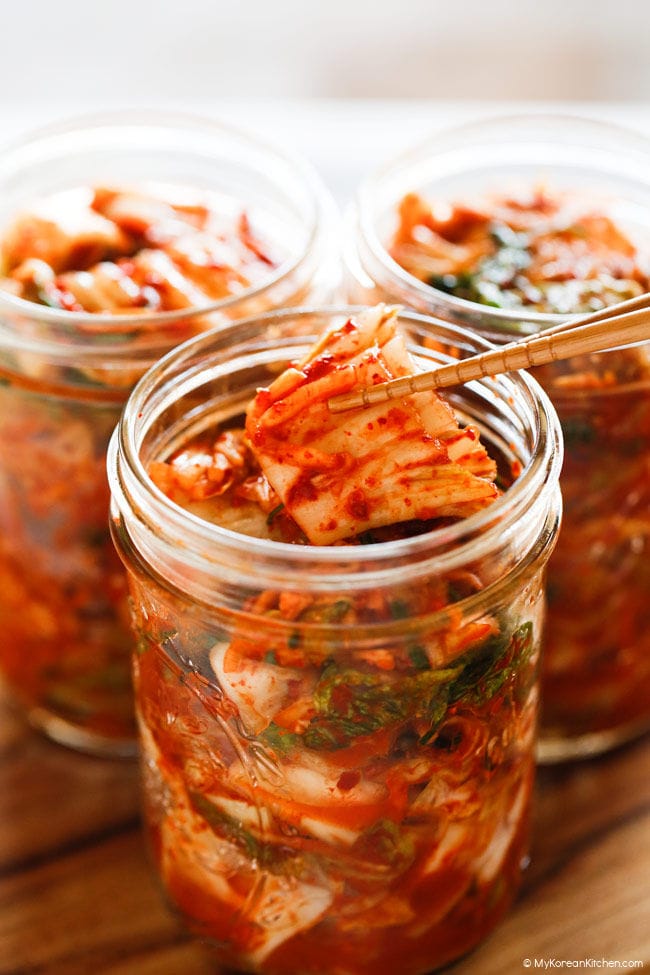
This authentic kimchi is the perfect accompaniment to almost any Korean meal, whether as a vibrant side dish (banchan) or incorporated into stews and stir-fries. Serve it alongside rice, grilled meats, or as a flavorful counterpoint to richer dishes.