Galettes Skillet Biscuits

Galettes Skillet Biscuits

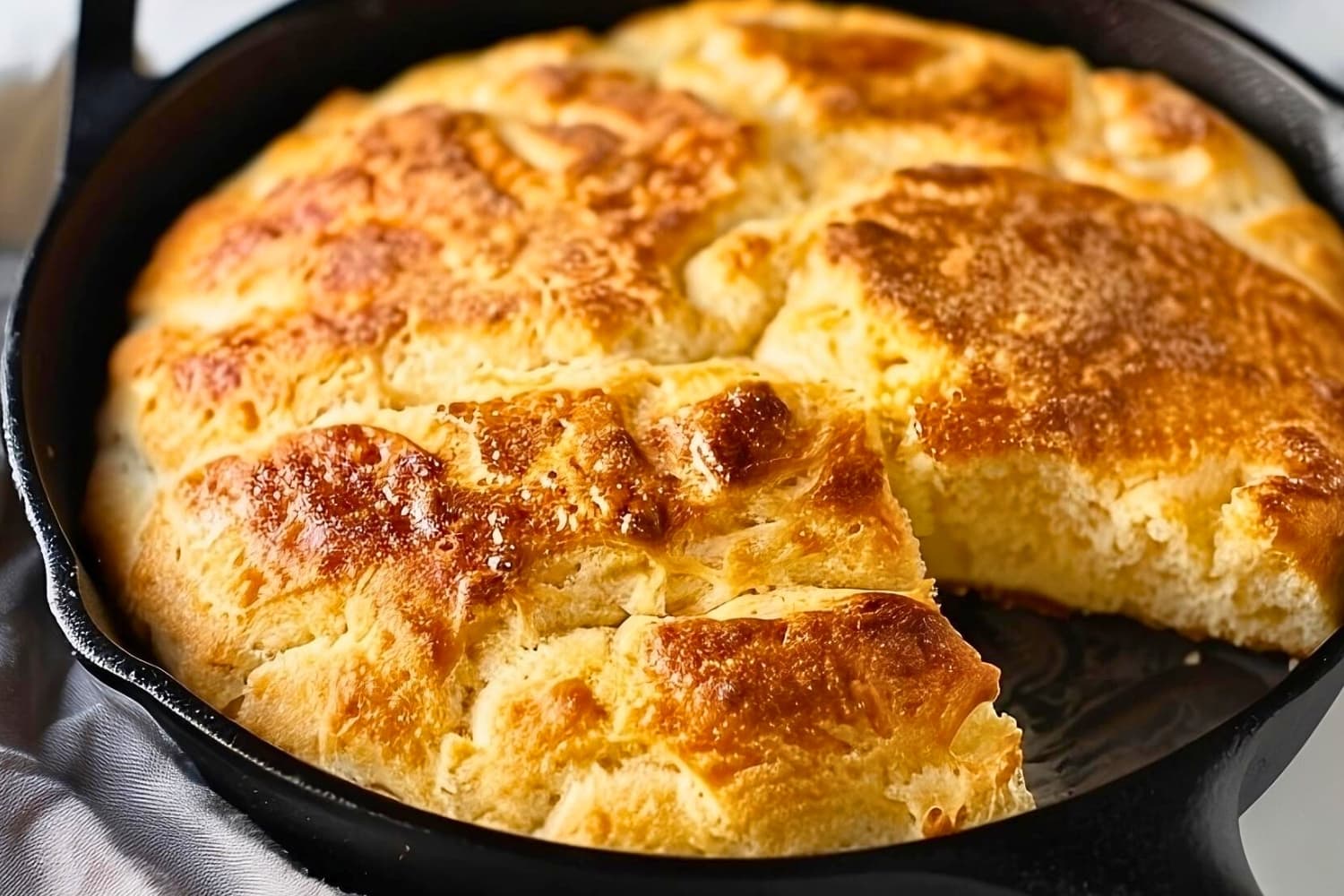
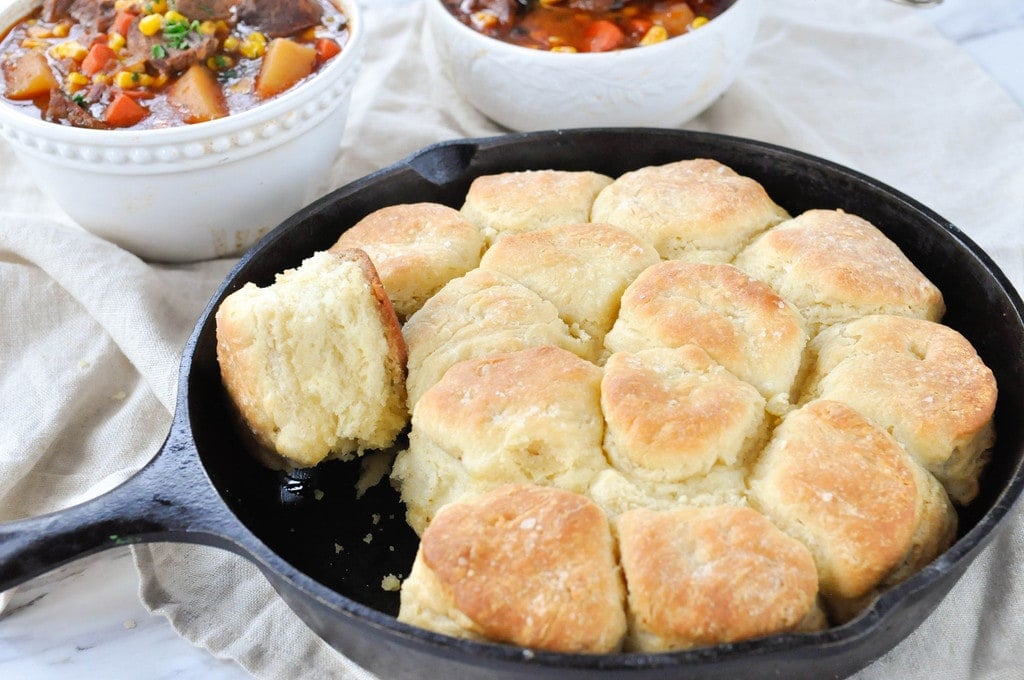
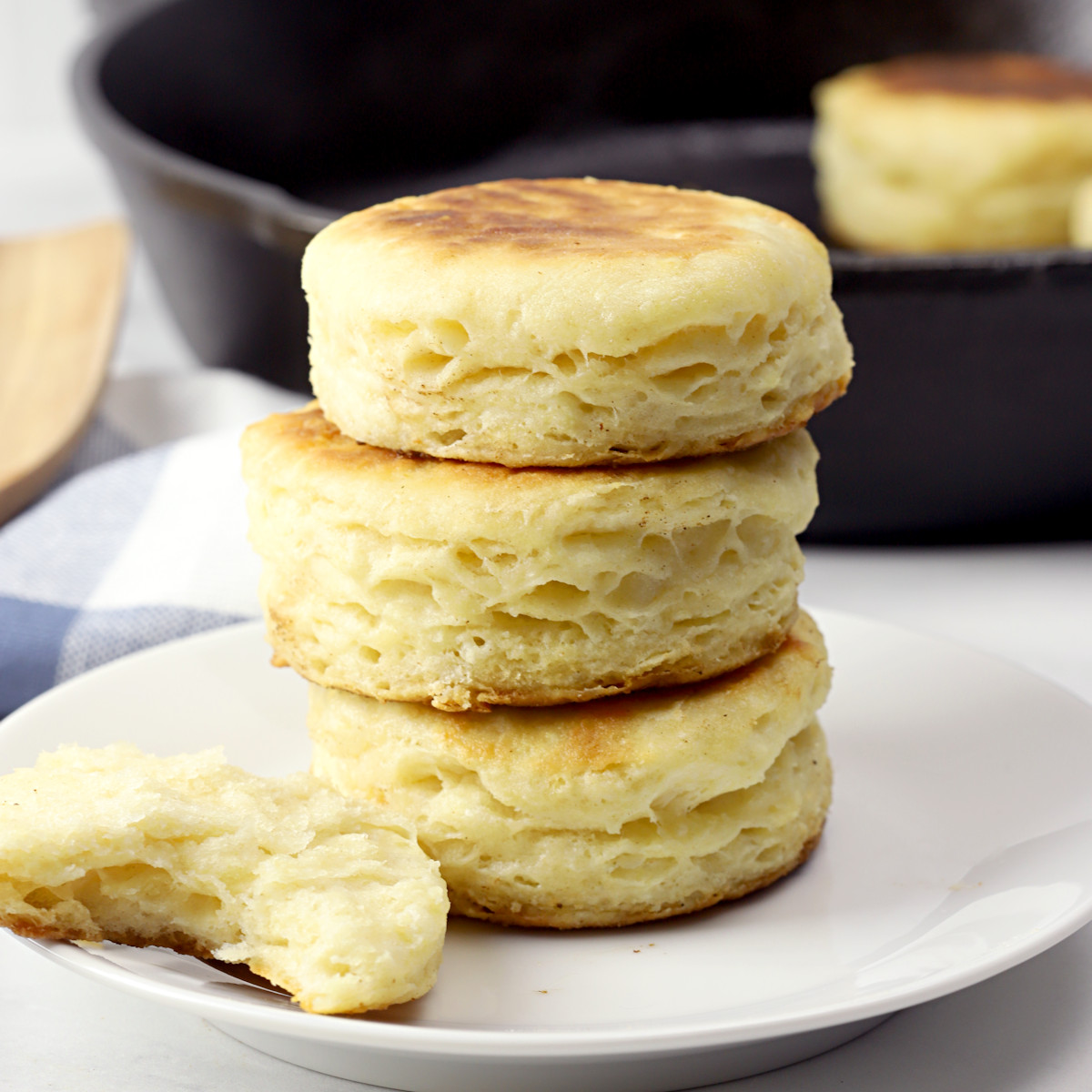
A Deep South fry bread, called Galettes, made from simply flour and whole milk, shaped into biscuits and fried in a skillet. Serve with butter, jam, jelly, preserves, honey or cane syrup.

Ingredients

  • cooking oil for frying
  • self-rising flour

    plus more for hands

    2 c
  • whole milk
    1 c

Directions

  1. 1

    Heat a thin layer of oil in a medium sized skillet to 350 degrees F.

  2. 2

    Stir milk into flour; dough will be sticky.

  3. 3

    Flour hands and scoop out spoonfuls of batter. Roll into a ball, then flatten, snipping a slit into the center, if desired.

  4. 4

    Fry in small batches of 3 to 4 biscuits in hot oil over medium heat, until browned. Turn and fry other side.

  5. 5

    Drain and serve with butter, jam, jelly, preserves, honey or cane syrup.

Galettes Skillet Biscuits

Galettes Skillet Biscuits

20 min

Similar Recipes

Simple Sourdough Pizza Crust

Simple Sourdough Pizza Crust

What you need to make this recipe...: ...a sourdough starter. Ideally, you want to use your starter 4 to 6 hours after you feed it, when it has doubled in volume and is very bubbly and active. Here are three sources: Breadtopia King Arthur Flour Cultures for Health ...time. Once your starter is ready to go, this recipe requires an initial 6 - 18 hour rise, followed by at least 6 hours in the fridge or up to 3 days.  Timing/Schedule: The more I make sourdough, the more I realize that the timing of each bake depends so much on the time of year and the temperature of my kitchen. In the summer, because it is warm and humid, the first rise (bulk fermentation) of all my sourdoughs takes between 6 - 8 hours; in the winter it will take longer, 10 to 12 hours. It is best to rely on visual cues. For the bulk fermentation, you want the dough to double or less than double: I now end my bulk fermentation when the dough has risen by 50% to 75% in volume. This is why I cannot recommend using a straight-sided vessel  (as opposed to a bowl) enough. It makes gauging the first rise easier. If at any point you are worried the dough will over-ferment — say, for example, the bulk fermentation is nearly complete but you are tired and want to go to bed — stick the vessel in the fridge and pick up the process in the morning. (Note: If your dough rises above double, don't despair ... my dough has tripled in volume during an overnight rise, and the resulting dough still had plenty of strength and spring.) Schedule: I like mixing this dough in the evening, performing 4 stretch and folds before I go to bed (if time permits), then letting the dough complete its bulk fermentation at room temperature (68ºF) overnight or in the refrigerator (especially in the summer, when my kitchen is much warmer). In the morning, it's typically ready to be portioned (if it rose at room temperature), transferred to quart containers, and stashed in the fridge. If I had let my dough spend time in the fridge for the bulk fermentation, I remove it in the morning, and let it complete its bulk fermentation at room temperature. Once complete, I portion the dough and stash it in the fridge. Sometimes I'll use the dough that same evening; sometimes I'll use it the following day or the next. I encourage using the dough within 3 days.  In short: If you want pizza for the weekend, mix your dough on either Wednesday or Thursday.  Troubleshooting: If you have issues with your dough being too sticky, please read this post: Why is my sourdough so sticky? The 4 common mistakes. Water: If you live in a humid environment or if you are making this on a particularly humid day, consider starting with less water, such as 335 grams of water, which will bring the hydration down to 70%. This amount of water will still produce a light airy crust but the dough will be more manageable.  Flour choice:  Due to supply issues, I've been making this recipe with all-purpose flour, and it works beautifully. You absolutely can use bread flour or tipo 00 flour if you can get your hands on either. If you can't, know that all-purpose (unbleached) flour works great here. If you use 00 flour, you'll likely need to reduce the amount of water. I would start with 350 g, and adjust moving forward based on your results.  Favorite Pizza-Making Tools: Baking Steel Pizza Peel Parchment Paper: I bake my pizzas on parchment paper on my Baking Steel. Parchment allows for easy transfer from peel to steel.  Cast Iron Skillet: If you do not have a Steel or stone, you can use a cast iron skillet. Rub a half teaspoon of oil over its surface, transfer a stretched dough round to the skillet. Top as desired. Bake at 450ºF for about 15 minutes.  Quart Containers for storing dough

25 hours4 servings

Ratings & Reviews

Be the First to Rate

Your rating helps others discover amazing recipes. Share your experience and let others know what you think!

About this Recipe

Craving a taste of comforting Southern tradition that's incredibly simple to make? These Galettes Skillet Biscuits are a Deep South fry bread that brings rustic charm to your table with minimal effort.

What makes these skillet biscuits truly special is their humble origin and straightforward preparation. Born from the Depression Era, this recipe transforms basic self-rising flour and whole milk into wonderfully satisfying "biscuits" without the need for an oven, perfect for a quick, comforting bread any time.

Imagine a tender, slightly chewy interior encased in a golden, crispy fried exterior—that's the delightful texture of these Galettes. Each bite offers a subtly savory flavor from the simple dough, making them an ideal canvas for sweet or savory toppings. They’re a testament to how truly delicious food can be made from just a few pantry staples, providing a warm, hearty bread experience that feels both rustic and incredibly satisfying.

Customization & Serving Ideas

While wonderful on their own, Galettes Skillet Biscuits are designed to be enjoyed with your favorite accompaniments.

  • Serve them warm with a generous smear of butter.
  • Elevate the sweetness with jam, jelly, preserves, or a drizzle of honey or traditional cane syrup.

These skillet biscuits are perfect for a cozy breakfast, a comforting brunch, or simply as a warm bread accompaniment to any meal. Their simplicity makes them a versatile addition to your culinary repertoire.

Frequently Asked Questions