
Pizza Sourdough Bread
Ingredients
- 35 gsourdough starter
about 2 tablespoons
- 35 gall-purpose flour
scant 1/4 cup
- 35 gwater
about 2 tablespoons
- 100 glevain
about 1/2 cup
- 175 gwater
about 3/4 cup
- 250 grao’s marinara sauce
about 1 cup
- 10 gsalt
about 1.5 teaspoons
- 3 gitalian seasoning
about 2 teaspoons
- 2 ggarlic powder
about 1/2 teaspoon
- 500 gflour
about 3 3/4 cups
- 225 gmozzarella cheese)
cubed into 1/2 inch pieces (8 oz
- 60 gpepperoni chopped into 1/4-1/2 inch pieces
about 1/2 cup, see recipe notes
- 10 gfresh basil)
finely chopped (about 1 tablespoon
Directions
Levain (1:1:1 ratio, 3-4 hours peak at 78-80ºf)
- 1
Mix together ripe/active sourdough starter with all-purpose or bread flour and water. Cover loosely and let sit 3-4 hours at 78-80°F until doubled, bubbly & peaked.Note: If you have a ripe, bubbly, active sourdough starter that is fed equal parts flour and water – you can substitute 120 grams of it for the levain in this recipe.
Sourdough pizza loaf
- 1
Mix Dough: To a large bowl, mix together ripe levain with water and marinara sauce. Whisk together. Then add salt, seasoning, garlic powder and bread flour. Mix together using a dough whisk or spoon until a wet and sticky dough forms and the ingredients are fully combined. Cover and let rest for 30 minutes.
- 2
Stretch and Folds: After the dough has rested, you will perform a series of “stretch and folds” over the next 1 ½ hours. The goal is to strengthen the dough through a gentle kneading process. You will also add cheese, pepperoni and basil into the dough during this process, which will evenly disperse them throughout the dough.To “stretch and fold,” wet your hand (so it doesn’t stick to the dough). Reach around the dough down to the bottom of the bowl, pull the dough up and over and place it on top of the dough. Turn the bowl a quarter turn and repeat the stretch and fold. Turn another quarter turn and repeat. Perform one more quarter turn, stretching and folding the dough. Cover and set aside. Take note of how the dough feels through this process. It will go from feeling a little shaggy to smooth and elastic. Cover the bowl and wait about 30 minutes between stretch and folds.
- 3
Stretch and fold #1: 30 minutes into bulk fermentation. Prepare Mozarella, pepperoni and basil, cutting them into chunks and smal pieces. Stretch and fold #2: 30 minutes later, the dough will spread out. Add the mozzarella cubes, pepperoni chunks, and fresh basil. Stretch and fold again, beginning to incorporate the inclusions into the dough.Stretch and fold #3: 30 minutes later, stretch and fold again. The inclusions will continue dispersing throughout the dough, but this is a lot of inclusions, so having some pop through is okay.Stretch and fold #4: 30 minutes later, stretch and fold again. You should notice the dough feeling more cohesive and strong during this stretch and fold, and not needing very much folding to come together. If your dough still feels loose, add in another couple of stretch and folds to help strengthen and tighten the gluten strands.
- 4
Rest: Cover the dough and let rise for 2-2.5 more hours at 78ºF. You’ll know the dough is ready to shape when the dough is puffed up about 40%, jiggles when you shake the bowl, and has scattered bubbles visible on the sides and top.If your dough is cooler, this will take longer and you will want to look for a larger percentage rise before shaping the dough.
- 5
Pre-shape: Tip the bowl upside down, allowing the dough to fall onto a clean counter surface. Be gentle to avoid degassing the dough as much as possible. Wet your hands and the bench knife if needed and push the bench knife under the dough on one side and your free hand on the other side to tuck the dough under itself. The goal is to introduce some tension into the dough. Repeat this process, going around in a circle until you have a ball of dough, tucking the cubes of cheese that pop out back under the dough if possible.
- 6
Bench Rest: Let the dough rest uncovered for about 30 minutes at room temperature. The dough will flatten a little as it sits. This allows the gluten in the dough to relax and prepares the dough to be shaped.
- 7
Shaping: Prepare a bowl or banneton. Place a kitchen towel or hair net in the bowl and liberally flour as needed. Sprinkle a little flour on top of the dough if desired. Using a bench knife, lift the dough up off the counter and place it on top of the countertop – floured side down. This ensures that the flour is staying mainly on the outside of the dough.Going around in a circle, pull the dough sideways towards you and then fold up to the top of the round. Move 90 degrees and repeat the same process pulling the dough sideways and then folding up to the top. As you continue this process around the dough, increase the tension as you pull. Gather the bread into a circle and place into a lined bowl. If any of the cheese or pepperoni pops out of the dough, remove them or stick them on the bottom side of the bread dough.Note: It is possible to shape the dough without any extra flour. The dough can stick to the kitchen towel but doesn't stick to the hair nets if cold proofed.
- 8
Cold Fermentation: Cover the dough with the tea towel/shower cap/plastic wrap and refrigerate overnight or up to 14-20 hours. If you want to bake the same day, you can let the dough rise for about 2-3 hours until puffed up and risen. Then bake according to recipe directions.
- 9
Preheat the oven: Put a Dutch oven (top and all) into the oven and preheat to 450°F for 20 minutes. You are working with very high temperatures, so make sure you have some good hot pads. Once preheated for 20 minutes, pull the loaf out of the refrigerator. Remove the covering. Place a piece of parchment paper on top of the dough. Flip the dough over so it is now sitting on the parchment paper. Take off the bowl/banneton and the kitchen towel.
- 10
Scoring: Use a very sharp knife or bread lame to score the dough. Take the bread lame and score on one side of the dough, at a shallow angle about 30º and 1 inch deep. Score straight from the refrigerator on the cold dough for best results. This is not a loaf for intricate scoring – the cheese will burst and brown during baking which will turn out to be a focal point of your loaf.
- 11
Baking: Carefully remove the Dutch oven from the 450°F oven. Take the lid off and place your bread into the Dutch oven (including parchment paper – this helps with the transfer). Put the lid on and put it back in the oven. After 25 minutes, take the lid off the Dutch oven for the remainder of the bake. Once the bread reaches an internal temperature of 205-210ºF, remove the bread from the Dutch oven to a cooling rack and let the bread cool completely before slicing. Enjoy!
Pizza Sourdough Bread
Similar Recipes



Ratings & Reviews
Based on 16 ratings
Rating Breakdown
About this Recipe
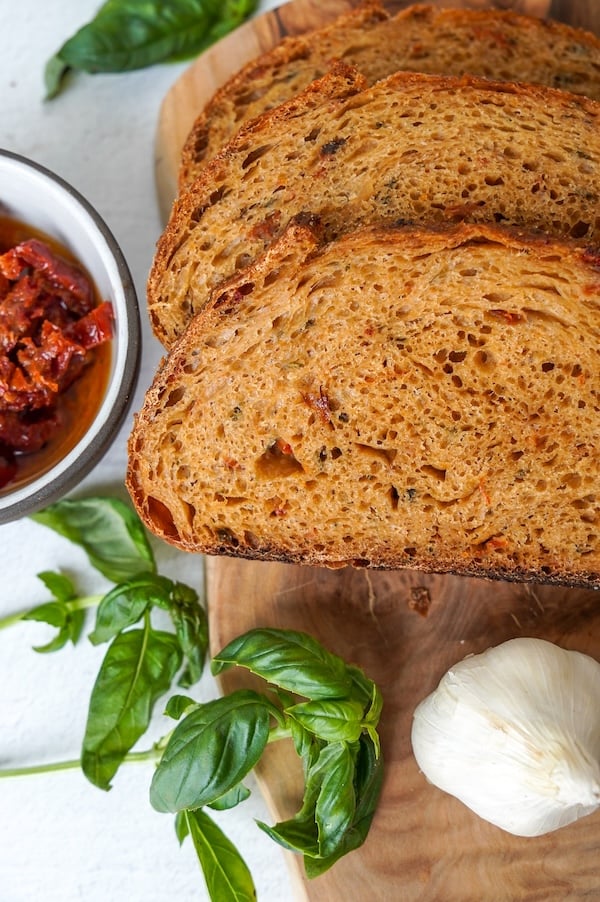
Imagine the irresistible flavors of your favorite pizza, but in a warm, chewy loaf of artisan bread. This Pizza Sourdough Bread delivers exactly that: a savory, golden-crusted loaf stuffed with all the classic pizza goodness you crave. What makes this loaf truly special is the harmonious blend of textures and tastes. We're talking about a soft, airy sourdough dough generously stuffed with creamy mozzarella, savory pepperoni, rich marinara, and fragrant herbs. This thoughtful combination bakes into a delightful chew with bursts of classic pizza flavors, transforming a simple bread into a complete, satisfying culinary experience that's far beyond just a side dish. With each slice, you'll discover a deeply satisfying bread that's both hearty and incredibly flavorful. The exterior bakes up with that signature sourdough tang and a beautiful golden, slightly crisp crust. The interior, however, is where the magic happens, revealing inviting pockets of perfectly melted mozzarella, tender pieces of spicy pepperoni, and aromatic marinara, all brightened by fresh basil. It’s a savory delight that captures the essence of pizza in every bite, offering a balanced taste of cheesy, herby, and meaty notes that home cooks will adore. This recipe is wonderfully adaptable to your preferences. You can easily adjust the quantity of pepperoni or mozzarella cheese to create your ideal balance of flavors and textures. For those who love a stronger herbal note, a touch more fresh basil or Italian seasoning can elevate the aroma. If you're aiming for a vegetarian option, simply omit the pepperoni; the marinara, cheese, and herbs still make for a delicious savory loaf. This savory pizza sourdough loaf is incredibly versatile, making it fantastic for a casual family snack, a hearty accompaniment to your favorite bowl of soup, or as the star in a truly loaded sandwich. It’s a guaranteed crowd-pleaser, perfect for sharing or savoring on your own.